

How to Grow Beans from Seed
The essential guide to growing beans from seed; with notes on germination, cultivation, harvest and even kitchen uses.

Seeds per gram (Sds/g): 3–5
Feed Requirements: Low
Optimal Germination Temperature: 15–19 °C
Growing Notes:
Position & Soil
- Soil Type & Temperature:
- Beans prefer warm, well-drained soil with organic matter dug through.
- A minimum soil temperature of 15 °C is needed for successful germination—cold soil slows or prevents sprouting and can cause the seed to rot.
- Sun Exposure:
- Full sun is ideal.
- Fertilizer & pH:
- Beans are light feeders: too much nitrogen causes excessive leaf growth and delays pod set.
- Incorporate compost or a small amount of balanced fertilizer into the bed a couple of weeks before planting.
- Ideal soil pH is around 6.0–7.0.
Sowing & Germination
- Sowing Times:
- Sow after the last frost once soil temperature reaches at least 15 °C.
- Bush beans, climbing beans, and runner beans can be sown at the same time; they will mature in succession.
- Soybeans (a tender bean type) also require frost-free conditions and soil temperature above 13–20 °C for best germination. In cooler regions (southern NSW, Vic, Tas), sow up to the end of December; in warmer regions sow up into January.
- Seeding Depth & Spacing:
- Depth: 3–4 cm
- Between Seeds: 5–10 cm
- Between Rows: 60–70 cm
- Thin to 15–20 cm once seedlings are established.
- For climbing beans provide support (trellis, poles, strings) of about 2 m in height for climbing varieties.
- Germination Tips:
- Keep the seedbed evenly moist but avoid waterlogging.
- Cold or saturated soil can delay germination and lead to poor stands due to seed rotting in the ground.
Cultivation & General Care
- Watering:
- Water regularly to maintain consistent soil moisture, especially during flowering and pod formation.
- Avoid overhead watering late in the day to help reduce disease risk.
- Feeding:
- Go easy on nitrogen-rich fertilizers—excessive leaf growth reduces pod set.
- Light compost or a balanced organic feed is generally sufficient.
- Succession Planting (Bush Beans):
- Sow short rows every 2–3 weeks for a continual fresh supply.
- Bush beans often finish producing more quickly, so plan multiple sowings or sow with climbing beans (which mature later) if an extended harvest is desired.
- Support & Wind Protection (Climbing Beans):
- Climbing beans dislike strong wind; situate them in a sheltered spot or provide windbreaks.
- Ensure sturdy trellises or stakes to prevent plants from toppling.
Potential Problems
- Poor Germination / Early Rot:
- Caused by cold, wet soils or excessive irrigation.
- Pests & Diseases:
- Generally low-maintenance, but be watchful for bean rust or aphids.
- Avoid waterlogged conditions to reduce fungal issues.
- Wind Damage (Climbing Beans):
- Excess wind can batter vines; provide shelter or windbreaks.
Harvesting & Storage
- When to Harvest:
- Pick pods before the beans inside reach full size and become fibrous.
- Bush beans often mature in one main flush. Climbing beans produce over a longer period—keep harvesting to encourage more pods.
- Technique:
- Snap or cut pods from the vine/plant gently to avoid damage.
- Frequent picking extends the harvest window and keeps plants productive.
- Post-Harvest Handling:
- Use fresh pods within a few days for best taste and texture.
- Excess beans can be blanched and frozen, or used in pickles and preserves.
Additional Tips & Notes
-
Bush Beans vs. Climbing Beans:
- Bush beans produce a quick, concentrated crop.
- Climbing beans yield over a longer period and are often considered more flavorful by many gardeners.
-
Soybean-Specific Tips:
- Sow after all danger of frost has passed.
- Warmer soil (>20 °C) speeds up germination considerably.
-
Flavour & Kitchen Use:
- Beans are delicious raw (especially when young and tender) or lightly steamed.
- Enhance with butter, pepper, and a squeeze of lemon juice—or use in stir-fries and casseroles.
- Growing notes for Runner Beans.
- Growing notes for Broad Bean.
By following these guidelines for temperature, spacing, watering, and harvesting, gardeners can enjoy a bountiful crop of fresh beans—whether bush, climbing, runner or the more specialized soybeans.
Sowing Periods
| J | F | M | A | M | J | J | A | S | O | N | D | |
|---|---|---|---|---|---|---|---|---|---|---|---|---|
| Cool | ||||||||||||
| Temperate | ||||||||||||
| Sub-Tropical/Tropical |
Filters
11 products
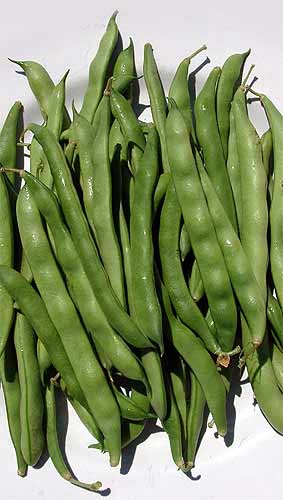
BEAN - BUSH 'Windsor Long Pod'
Sale priceFrom $3.75
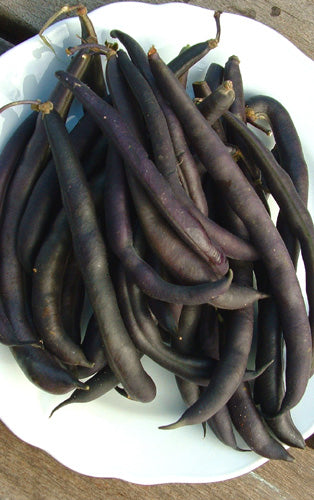
BEAN - BUSH Royal Burgundy'
Sale priceFrom $3.75
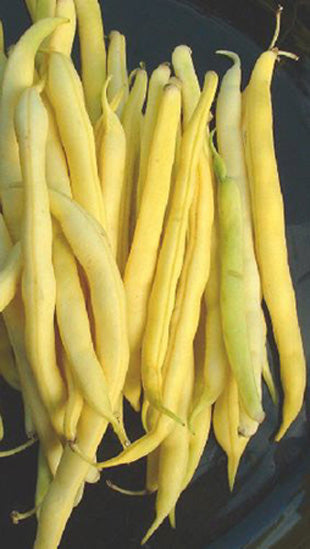
BEAN - BUSH 'Cherokee Wax' (Butter)
Sale priceFrom $3.75
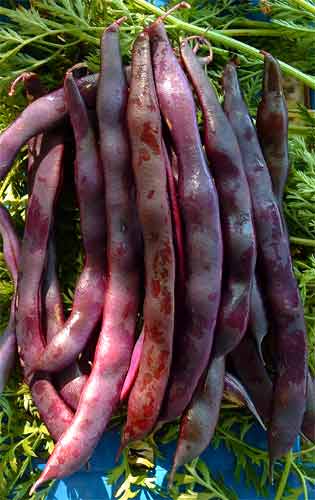
BEAN - CLIMBING 'Purple King'
Sale priceFrom $3.95
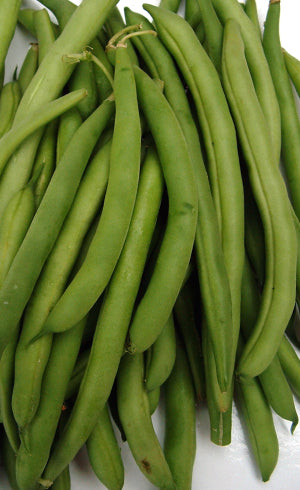
BEAN - CLIMBING ‘Blue Lake’
Sale priceFrom $3.95
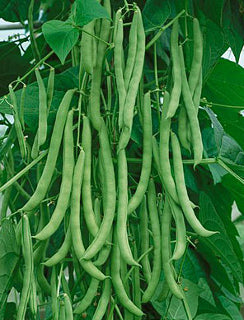
BEAN - CLIMBING ‘Kentucky Wonder’
Sale priceFrom $3.75
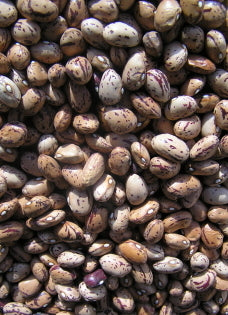
BEAN BORLOTTI ‘Red Rooster’
Sale priceFrom $3.75

Bean, Bush - Dried ‘Red Kidney Bean’
Sale price$3.75
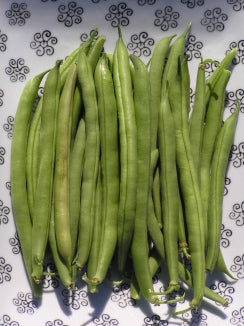
BEANS FRENCH ‘Provider’
Sale priceFrom $3.75
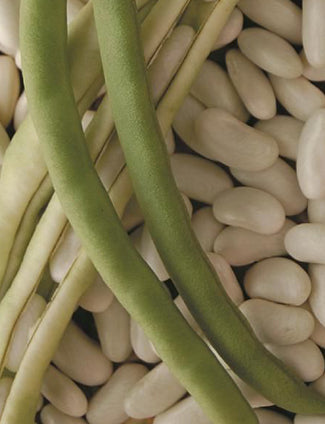
CLIMBING BEAN ‘Lazy Housewife’
Sale price$3.75
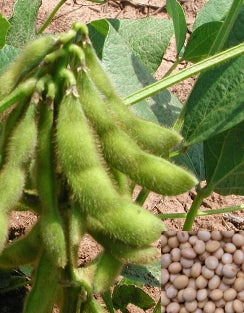
Soybean 'Edamame'
Sale price$3.75